History of Ash Wednesday: Where’s the Ash from?

Cross of Ashes on Ash Wednesday. Image: Wikipedia
HISTORY OF ASH WEDNESDAY


In the Western church, the first day of Lent is called Ash Wednesday, derived from the ceremonial use of ashes as a symbol of penitence in the service prescribed for the day. It follows Mardi Gras, also known as Shrove Tuesday, and ends with Easter, 40 days later, not counting Sundays.
It is practiced by the Lutheran, Methodist, Presbyterian, and Anglican denominations, as well as Roman Catholics and some Baptists. The Eastern Church observes Great Lent for 40 days before Palm Sunday, with fasting continuing through Holy Week of Orthodox Easter. The ash represents repentance and a reminder of death. The 40 days represent the duration of Jesus’ temptation in the wilderness.
Whence Come the Ashes?

Palm Sunday fronds. Image: Getty Images
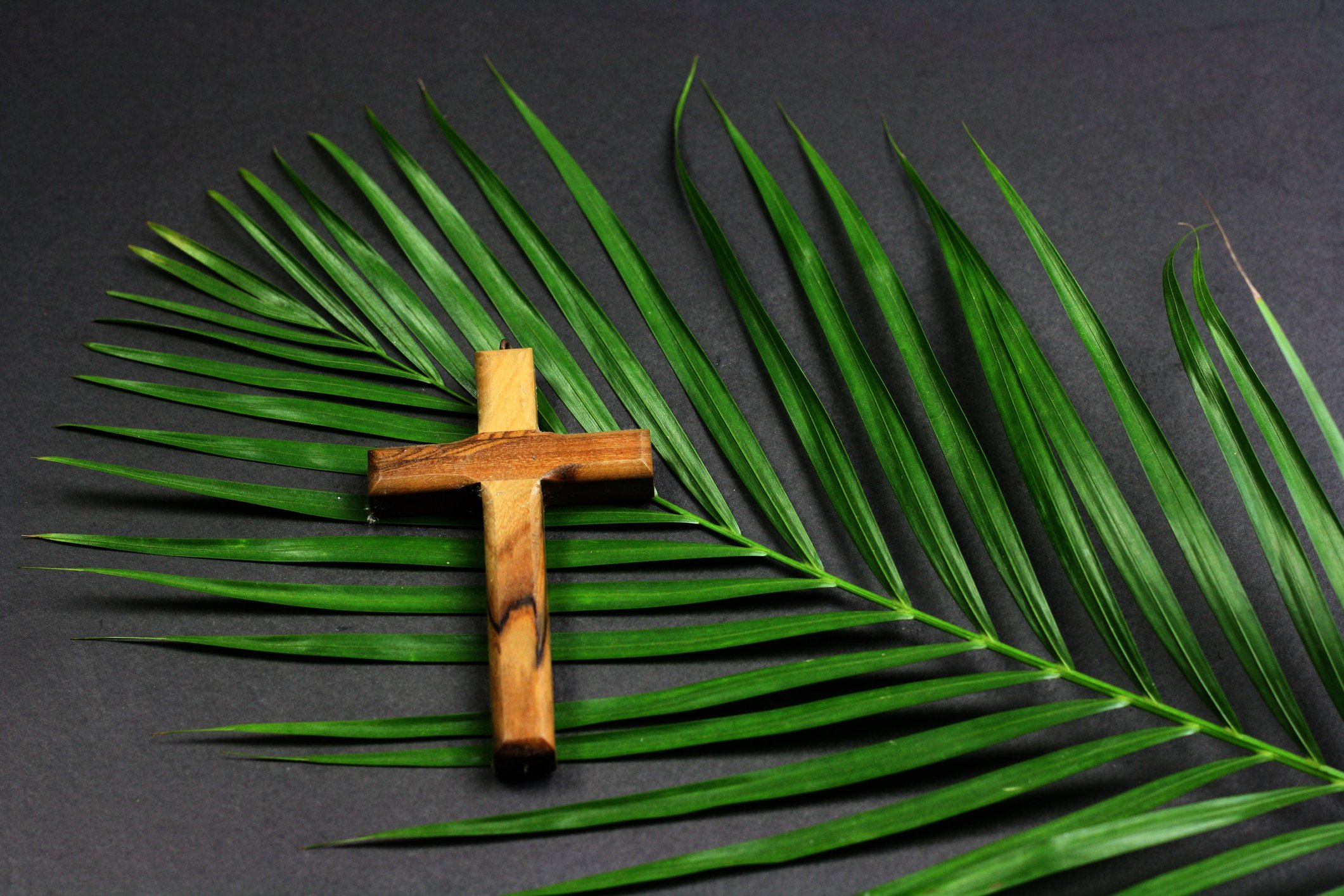
The ashes, obtained by burning the remains of the palm branches blessed on the previous Palm Sunday, are placed in a vessel on the altar and consecrated before High Mass, especially in the Roman Catholic tradition.
The priest then invites those present to approach and, dipping his thumb in the ashes, marks them as they kneel with the sign of the cross on the forehead, with words from Genesis 3:19:
Remember, man… thou art dust and unto dust thou shalt return.
Background of Ash Wednesday
This ceremony is derived from the custom of public penance in the early church. Initially, converts wishing to be baptized into the church fasted for 40 hours before Easter, when many baptisms were performed. These 40 hours signify the equivalent number of days Jesus spent in the wilderness fasting at the beginning of his public ministry in Israel.
This practice later became a 40-day period of prayer, self-examination, contemplation, and, in some cases, fasting – especially fasting from meat. When the custom was extended to the entire congregation is unknown, although it seems to have been in common use by the late 10th or 11th century, at least in the Western church.
Bill Petro, your friendly neighborhood historian
billpetro.com
Podcast:
